
Spotlight Series
Spotlight Series topic: Intuitive Eating thoughts from a Dietician
Guest Name: Stephanie Proud
Guest Credential: RDN, LD, CNSC
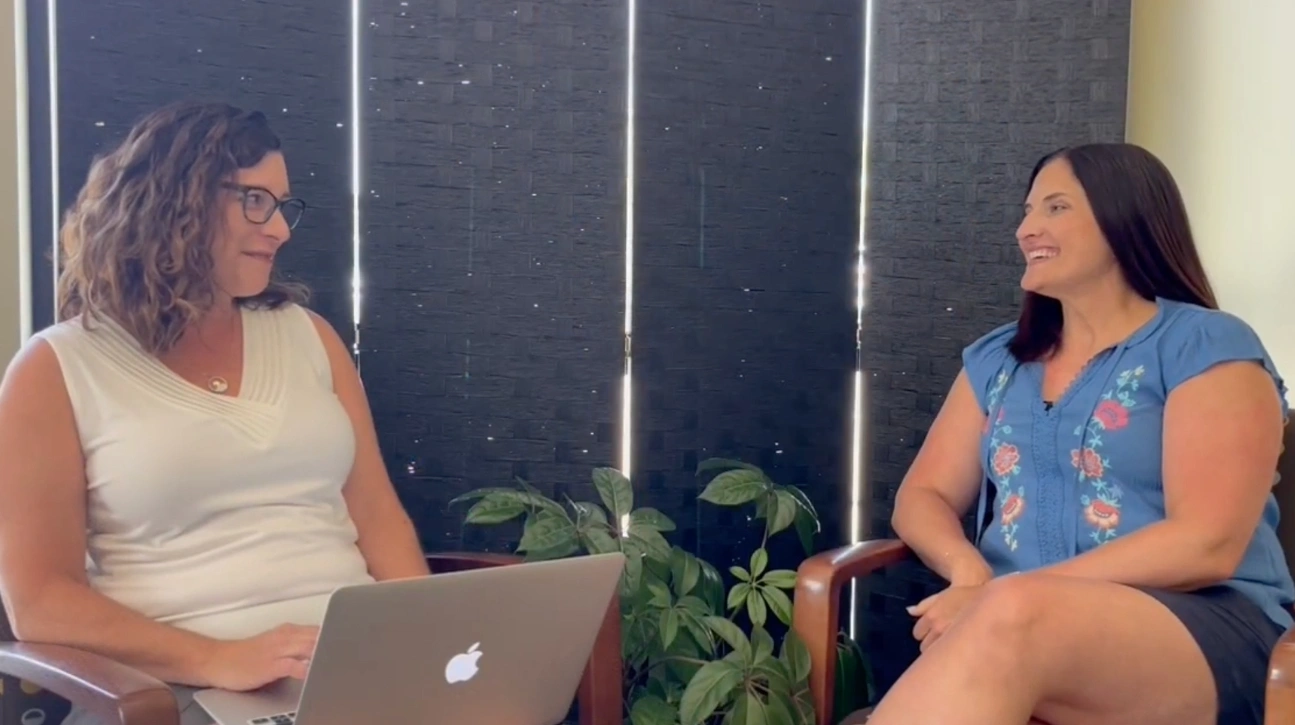
Discussion Details: Listen to this short interview with Stephanie telling us a little bit about the amazing things she is doing with clients in the community helping others improve their health and wellbeing.
Benefit of Watching: Learn about what Intuitive Eating is and how this approach to nutrition therapy is used for individuals.
Address of guest’s business:
2751 Oakdale Blvd, Suite 1 | Coralville, IA 52241
https://www.proudpeacefulnutrition.com
Stephanie Proud: I like it well I am a registered dietitian so I have been a registered dietitian for about 22 years so I started my private practice almost oh my gosh almost three years ago so I work with primarily women but I do also see men um I work with people who want to heal their relationship with food and their body and usually exercise is involved in that too but but not always and so I see many people with eating disorders diagnosed or undiagnosed um I see people that have struggled their whole life with chronic dieting yo-yo dieting um just wanting a way to explore pursuing their health um independent of weight loss or a weight Focus somebody that’s looking for a new way to to pursue Health in a way that they can feel good about
Natalie Johnston: that’s awesome so how did you get into this field
Stephanie Proud: oh boy well I started out in a completely different specialty um which I did for many years um and I had some some colleagues working in the kind of non-diet intuitive eating space I should have included that I teach the principles of intuitive eating to people as as part of that work so had some colleagues working in that space But I honestly also found myself in a place where I was realizing even as a dietician my relationship ship with food and exercise and my body needed some repair um because of diet culture that we all live in because of a toxic Fitness culture I was involved in and so I started doing my own work um and had my own journey to pursuing food freedom and a better relationship with exercise and my body and so as part of that I was also seeing you know what that was doing to the women around me and to their happiness and their confidence and their just ability to enjoy life and what that was taking away from them and so you know I became passionate about kind of changing the narrative about what healthy looks like and how we pursue health and I was ready for a change professionally and and so that was the time for me I felt like to to leave kind of my clinical work and start to pursue that so actually a friend reached out just like asking for suggestions um and and he was my first client like I just said well I think I could help with that
Natalie Johnston: that’s awesome I yeah unofficially he was my first client
Stephanie Proud: so yeah
Natalie Johnston: so I feel like what you’re doing is so needed in our culture um do you find that your clients um that there’s a common theme like they’re coming in from a fitness background or um is there one kind of common theme that leads a person towards having some disordered eating
Stephanie Proud: yeah I think I I have a lot lot of different themes I think amongst my clients so I would say one common one is is hard to pick um I see athletes so a lot of times it’s sport Sports culture um you know performance culture wanting to be perfect having like an idealized body type that can create some disordered habits sometimes it’s something that a trainer or coach may say to them or beliefs that they might think about their body um and I have a lot of women who just come from that point of feeling like chronic failure like weight loss weight gain you know dieting on and off the diet and and feeling frustrated and like they failed and like they have no you know willpower and and you know it’s really it’s not them that failed at all it’s it’s the system and just having a good understanding of how our our bodies work so I I do see a lot of people feeling frustrated and failed and and hating their bodies um in in the place that they’re at um I do see people sometimes that that really um you know need some guidance in terms of like building a good relationship with exercise maybe they’ve had a lifelong experience where exercise is always about changing their body or punishing themselves for what they ate or um those types of things and so just really helping them we do a lot of reframing of um our thoughts about food and exercise and our bodies to offer A New Perspective and a new mindset
Natalie Johnston: yeah I feel like the way you said that reframing your thoughts I feel like that’s a lesson that um could be applied to so many different areas of our life not only just our relationships with food but we could probably just stop with relationships y to answer that too um and also all sorts of different areas of our life so um yeah it it makes sense so I think I’m hearing you say that you work with a variety of age ranges then too
Stephanie Proud: I do yeah I have I think the youngest I’ve had is 13 12 to 13 um you know all the way up until adulthood so I do see a lot of um a lot of teenagers a lot of college kids I love that but I see adults too and and I think the earlier you can can intervene in some of those things that better but you know it’s never too late to change your mindset about things and to approach your life and your Health a little bit differently too and now that you mentioned that about just the the thoughts and the reframing I do think that’s one common thing that most everybody I work with is is their internal dialogue and like when we talk about reframing it’s a lot of negative internal dialogue whether it’s about food choices or body or exercise or you know I should do this or I should do that that kind of impacts how they show up in the world and the choices they make and that definitely influences food and and exercise and how they they feel about themselves too
Natalie Johnston: absolutely um and you know we have some similar kind of um lines of thought when working with people have chronic pain too it’s that selft talk that we try to um retrain and reframe and that’s just one piece of the puzzle um so if you are working with a client how often would a client you know what would that look like would it be weekly or monthly or it depends
Stephanie Proud: yeah it depends usually people start with me depending on what kind of work we’re doing um we usually start weekly um depending so like a lot of the people that come to me just for like intuitive eating training or coaching I actually have like a like a 12 session program kind of mapped out and so often those are weekly meetings but sometimes if that’s too frequent for somebody we’ll do every other week um the eating disorder you know type clients I see usually need more support and more fre frequent support so those might be weekly for a while um and then later on down the road we can space that out but I definitely try to customize that to the client and you know what works best for them and what they’re able to do
Natalie Johnston: yeah yeah so there’s it’s very much tailored to kind of where we’re at and things and then eventually we get to like more less frequent check-ins and just making sure we’re good and and yeah so that kind of leads me to another question so do you guys set goals together and so in in the physical therapy world we we have our goals and in a time frame with them um how does that work with di dietitians do you set goals do you have a time frame or it’s kind of like as needed
Stephanie Proud: it depends I want that answer um but but yes like and I’m very much a person of I meet people where they’re at so I’m not just going to give you a meal plan and be like do this and then when you come back and you can’t do it like you know that that doesn’t work very well so I try to meet people where they’re at so we look at what are we what are we doing like what are we what are we eating what are the thoughts and behaviors where do we need to be like in terms of how much should we be eating like what maybe changes do we need to make with exercise or other behaviors and then we try to make steps towards those things so and we set goals that seem most reasonable or the most important things to start with so we set goals based on that and I really will look at somebody’s progress and see how things are going also look at like the level of distress some of those changes create for a person depending on where they’re at with their relationship with food like those can be really hard changes to make um and then we can kind of assess like are we making good progress do we need more support um some people need a higher level of care and then they can come back to outpatient um work so kind of depends you know where we’re at since I see such a wide variety of of you know I think I think disordered eating happens on a spectrum from like people just trying to be healthier and it kind of goes a little too much you know all the way to really significant eating disorders that really negatively impact your your quality of life so I have kind of that whole spectrum that I’m working with um in terms of like how much carent support they need
Natalie Johnston: yeah I really love that you said um meeting people where they’re at uh because I heard from some others that they’ve had especially teenage groups they’ve had people come in dietitians come in and talk and it’s just seemed a little bit maybe um overwhelming what they’ve suggested like okay you have to cut out all sugar and yada yada right and and these are kind of big big overarching statements that I bringing out for an example but um yeah I think it’s much more likely that somebody will or I see them that somebody is going to be successful you can meet them where they’re at
Stephanie Proud: yeah yeah and I think sometimes you know I hate the like blanket recommendations of do this like follow Mediterranean diet just very black and white and that that doesn’t work for everybody um you know and so I really like the customized approach and and people need to have goals that they feel like are attainable because if you just say well here you are now this is what you should be doing like just do that um that’s really hard and especially when there’s a lot of like mental stuff going on too and thought processes and limiting beliefs and challenges and things like that makes it even harder to make that jump so I think coming up with goals I like clients to to participate in that too but sometimes I will challenge them and I just say we need we need to do this like and so I think that is more effective yeah and less overwhelming because the whole whole thing can be really overwhelming when you’re really like changing the way you do things and getting out of what’s comfortable for you or safe
Natalie Johnston: yeah yeah well this my last question might be a hard one but um if you could tell the world one thing from your dietician lens what would it be
Stephanie Proud: oh boy I I I’m glad I got a heads up on this because I had to think of because I give her a heads up on this question she did I asked because I know there’s always these things and I I have a lot of words but I think probably got I know so many words I’m like oh no um I really think so I picked two things sorry I’m a rule breaker um I think one is is actually like a slogan that eating disorder Coalition of Iowa put on T-shirts so you’ll see me sporting this on my t-shirt but it says your being is more than your body so I think that’s important for people to remember is that like we all have bodies and we need to take care of them but we are so much more than our body or what it looks like and sometimes we forget that in this world that we live in that like you are a whole being whole being um more than more than just your body and so that that goes along the lines with the work I do and I think the other one is that um big thing I think everyone should remember is that all weight loss is not good and all weight gain is not bad so I think that would probably be the other kicker
Natalie Johnston: I love it thank you so much so most importantly how do people get to you how um you know let’s say hey I want to work with a dietician um I want to work with Stephanie Proud um how do I get to you
Stephanie Proud: yeah you can go to my website which is proudpeacefulnutrition.com and so on the website there’s a place to actually schedule a free call so it’s 20 minutes no cost just to kind of chat about what’s going on I can answer any questions that people have just and just to kind of see if we’re a good fit um so that’s one way you can also contact me through the website via email so that’s or Instagram I’m on Instagram and Facebook too so those would be all the ways so I would say I have probably a combination of referrals from a lot of therapists um send me folks as well as people just reaching out um that so you do not need a referral anybody can contact you directly too okay good to know you got it
Natalie Johnston: well thank you so much for your time today it’s been lots of fun and we’ll end the interview here