
Spotlight Series
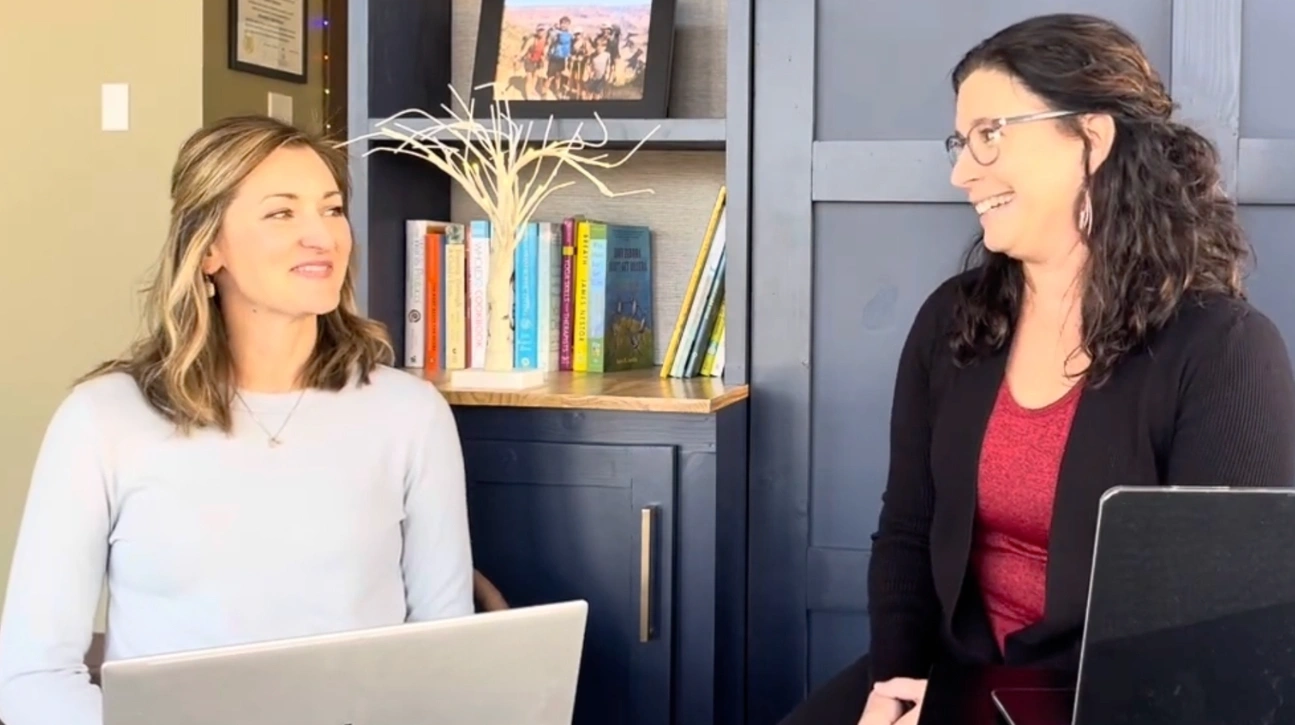
Spotlight Series topic: Nutrition and Weight Loss
Guest Name: Meghan Cooley
Guest Credential: DNP
Discussion Details: Meghan is a talented Nurse Practitioner with skills that many patients appreciate. She and i discuss nutrition and weight loss today.
Benefit of Watching: In this video we discuss nutrition, weight loss, and navigating the challenges of a grocery store and daily meals.
Address of guest’s business:
1765 Lininger Ln, North Liberty, IA 52317
Meghan Cooley: okay awesome thank you um so yes I am uh Meghan Cooley and um thank you for having me by the way this is exciting and fun to do um so I have always just had an interest in um biology and uh health and nutrition um I went to school to be a nurse and then went on to get my nurse practitioner degree um and uh when I was doing my doctorate program uh to get my nurse practitioner degree um my doctorate project was on weight loss and working in a rural clinic and um helping overweight and obese individuals uh work on uh losing weight and and really evaluating what worked well and what didn’t um and then I went on to uh work at a Family Practice Clinic locally um and did a lot uh of uh weight loss care and in addition to Family Practice um and just always really enjoyed that patient population and enjoyed helping those individuals and and seeing the successes was um very exciting um and then fast forward to about uh three or so years ago um my children um I have three children and they were all diagnosed with celiac disease um and so that was a whirlwind but it also just um kind of made me have even more appreciation for nutrition and um dive into it a little bit deeper and uh just have even more passion for learning about um what foods are good for us which ones aren’t how do we uh keep a healthy weight and a healthy body so that we can have a um a healthy life
Natalie Johnston: that’s awesome so um yeah three kids diagnosed with Celiac I would think that would be quite overwhelming
Meghan Cooley: yeah yeah
Natalie Johnston: um so going back to kind of just the work that you’ve done with people um on weight loss you know let’s let’s use that as a segue into one of our questions um you know when somebody goes to the doctor and the doctor says you need to lose weight and it’s kind of this blanket statement that gets thrown out there and then um rushed on to the next topic and then they’re out of there um you know where does a person go from there especially if they don’t have um kind of that knowledge or background just to even know where to start right what is a starting point for that person
Meghan Cooley: it’s a great question um and I think a lot of people don’t know where to start and and unfortunately you know in in um our traditional Healthcare we are very limited on time when it comes to um how much time we have to discuss those things with the patient you know probably a lot of providers would like to uh delve into that a little bit more but um with the time constraints it does become a challenge um so I think um you know one of the things I really love doing with my patients was um coaching them on some of that and so um I think step one um and one of the biggest things I would always tell my patients is let’s reduce sugars and carbohydrates um maybe not all carbohydrates um and and when we talk in January I can go into that in more detail of what that looks like um but that is one of the biggest things to pay attention to um not necessarily the calories not the fat on the nutrition label um reducing their sugars and their carbohydrates um another thing that really helps with that um is reducing our intake of processed foods um and this is not only good for just uh you know for weight loss but for General Health as well um a third thing would be you know getting some movement every day and don’t you know feel bad if you have had a sedentary lifestyle you know just start uh one day at a time if it’s 5 10 minutes and that’s all you get in great that’s the start um but if you’re you’re doing more than that then making sure you’re getting um you know a good amount of cardiovascular and uh strength training in um and you know one final thing I would say is just not focusing on any one particular diet this is Lifestyle Changes we have to make these changes gradually so that they can be sustainable for the long term um so not saying okay tomorrow morning I’m going to start XY or Z diet um because we all know that those don’t usually last long term so yeah
Natalie Johnston: so you brought up so many good things in every single one of those points I feel like we could break any one of those down and then have a conversation for a couple hours um but I think you know one clarification point when we’re talking about about weight loss um we do recognize that there are different populations here that um need some more specific um attention to weight loss or weight sustaining so um just to clarify you know we understand that there are people in the category of Eating Disorders various Eating Disorders um and this information then may or may not apply to you and there are people who um have very specific needs whether that’s Celiac or diabetes heart you know some some of the stuff that we’re talking about um will apply and it’s um but understand that we’re having a general conversation about nutrition here um and I think that’s kind of important to um to put out there the other thing I want to comment on is you mentioned the exercise piece and I think that we have this longstanding maybe um idea that we can um exercise off the calories that we eat in order to maintain our weight and I I hope that that we can just you know say up front that that’s not true we’d have to run a lot of marathons to really burn off the calories that we eat so it’s a much more complex bigger picture absolutely to that um and so just you know adding those little little points in there but um absolutely can’t out exercise an unhealthy diet really yes so then you mentioned processed foods and I think when you go to the store I feel like everything is processed especially if we’re not in a tropical place where we can grow all our food year round so what is you know if I go to the grocery store and I I’m trying to avoid processed foods what are some tangible like ways that I could do that
Meghan Cooley: um you’ve probably heard this before but shopping the perimeter of the store so on the exterior of the grocery store you’re going to find your produce um the the meat counter um the refrigerated items you know kind of all on the perimeter and in the in the aisles in between you’re going to find your processed um pastas and chips and cookies and crackers and all those things that are really highly processed have a lot of added ingredients um so I think you know if you can go into the grocery store with the mindset of avoiding those Center aisles um and you know unless there’s absolutely something you need there um and kind of shopping the perimeter you’ll do a lot better
Natalie Johnston: perfect um so that reminds me I used to always joke that instead of at the checkouts you know all the candy bars and stuff like why don’t they have the produce section you know how you grab a last minute oh I need this you grab it and you throw it on the Belt what if they had like carrots and broccolis and all like little packs of sweet peas and for I’m lucky our kids love vegetables and and when we eat like my my mom would put out a plate of vegetables when we came over for a family gathering and then my son would that would be for like the whole group and my son would eat the entire plate and she would come out and be like where’s the vegetables and my son would be chewing and mouth still full of you know so I I’m lucky we we all love our vegetables but seriously I mean what would happen I feel like yeah that would be am I feel like some kids actually might be interested in grabbing that pack of carrots abut or that pack of sweet peas so okay if anybody watches this and they have connections to grocery stores let’s let’s do an experiment um all right so I often hear people say that they just cannot lose weight they’ve tried and they just can’t do it um and and some people tell me I I hardly eat anything and I still can’t lose weight so I’m wondering if we can kind of break down that population a little bit again this is real General right people have specific needs um and scenarios but this is a common kind of thing that we hear people say so can we unpack that a little bit
Meghan Cooley: yeah yep um so in short it it comes down to hormones most of the time um yeah and let me back up and just say like you know there for many many years there was this um oversimplified notion that it was just calories in versus calories out um and a lot of our society and even healthc care providers today still believe that and that unfortunately puts those individuals um you know in this category of of being shamed and and you know people saying oh just not trying hard enough or they’re not really reducing their calories even though they say they are they probably are um you know maybe there are times when when they’re not that that is possible however a lot of times there are hormonal imbalances going on that need addressed Um this can be an imbalance of the sex hormones like estrogen testosterone progesterone um and that’s why you know menopausal women struggle so much with with losing weight um even when they’re doing all the right things um because their estrogen is depleted and um estrogen is is responsible for fat distribution um it can be uh a thyroid hormone imbalance and when we our thyroid hormones are off um our metabolism can absolutely just be in the tank and that can make it really really difficult to lose weight so that’s one one possibility um other hormones including um leptin and gin which are are um hunger and satiety hormones those can be out of balance for various reasons so you know working on the right things to do to correct that that uh can be important um when our cortisol levels have been high for a long time due to chronic stress that can make it really difficult to lose weight and then I would say the biggest player when it comes to hormones is insulin um and I would argue that you know most if not all people who are really making these Lifestyle Changes they’re they’re eating better they’re exercising more and they’re still struggling with weight they’re probably insulin resistant um and you know that is um we can go into more detail again later but when cells are not responding appropriately to the secretion of insulin um so you know the good news is that those those hormonal imbalances are correctable um those individuals may have a little bit more of a challenge ahead of them and may need a healthcare provider that really understands all of this um to to help them along the way um but they they are correctable so it’s just a matter of um you know getting those things in balance and then working on the the uh weight loss
Natalie Johnston: yeah so how does let’s say I wanted to have some of those hormones tested to to see if there was an imbalance is that something that’s covered in by insurance is that something that universally Health Care Providers will do um
Meghan Cooley: great question um so insurance coverage varies because you know everybody’s policies are different um a lot of times it it doesn’t cover a testing a lot of those hormones so certainly the thyroid that one is is always you know covered by Insurance um those sex hormones like estrogen testosterone those are often covered um The Challenge in you know traditional Health Care um like where I worked in Family Practice is that there’s you know a lab test for those but it’s a really wide range of normal and so you know it’s not breaking it down enough for me to um to give a lot of detail on on what might be going on um and that would be the case for you know other uh Family Practice providers out there um but there are a lot of um more functional Med providers available um and they uh can do additional testing likely not covered by Insurance unfortunately but um that gives them much more information and can help with uh estrogen replacement if that’s what’s needed um and work with you in terms of that so um yeah sometimes it’s seeking out a functional medicine provider um to to get those levels really evaluated
Natalie Johnston: yeah I and you know I think for some that that is available and for others maybe that’s not available um but I think the point that is coming across is this weight loss journey is so much more complex than trying one diet or making just one change or um you know testing just one hormone or you know it’s really this big picture of what’s the stress going on in your life and if you don’t have access to those hormones testing you know that’s a place you can start is to really start to look at those lifestyle changes and and I think I hear you saying that in terms of well the cortisol levels your stress response plays a huge role in your body’s ability um to really do what it’s supposed to do at a cellular level um and and function um normally quote unquote
Meghan Cooley: yep and that is the the great thing you know even if you don’t have access to um you know all the hormonal testing um a lot of these are corrected with lifestyle changes so you know is your um hunger hormone you know being overproduced a lot of times that’s because of poor sleep you know maybe there’s things we can address there so a lot of it is lifestyle even if we you know can’t get all the hormonal testing
Natalie Johnston: yeah or speaking along the lines of sleep I think everybody can relate if you don’t have a good night’s sleep your ability to make better choices that next day is drastically altered and and you know again I think that’s like that that just puts us all in the same playing field right there that comment to say oh yeah we’ve all experienced that we made that choice to just quick grab that fast food or whatever it is because or that extra energy drink because we were tired whatever the case may be
Meghan Cooley: absolutely
Natalie Johnston: um okay so let’s go to the next question and um and this next question I have is about reading labels in a store so reading labels I think can be really overwhelming and you know personally just because I don’t always have my glasses on and those ingredients are really really tiny so if my son is with me I hand him the object and I’m like Lucas what does this say does it have milk because I can’t have milk um or other things but okay the the smallness aside when we have that big list of ingredients how do we pick apart like oh this is cancer causing this is good for you this is bad for you we know that in in Europe they have things that are banned that we commonly have in our ingredients that have known side effects that are awful so how how do we go about this without like being completely deciding we need to live in a bubble right
Meghan Cooley: yeah it is it’s a it’s a really big challenge um there are some great apps out there that you can scan the barcode and it will tell you you know what are um the additives and then tell you also like what are the risks of those additives so so there’s some great apps out there that are helpful um but I think what is one app do you have one in your head if not we can yes let me think of it uh if not we can look it up I’ll come back to it it’s on my phone and I’m sure we can Google and search it there’s more than one I know but um and a lot of those too you know if you are avoiding dairy products it’ll tell you you know if it’s if there’s any in there um we’ve used them when you know searching for gluten-free foods as well but um um we’ll come back to that because I know I have those apps um but I think you know you kind of answer the the question or the you know the answer is there in the question if there are numerous ingredients um it’s highly processed you know and one good rule of thumb is if you look at it and there’s more than even five ingredients or if there you need a chemistry degree to read what those ingredients are it’s probably highly processed and not good for you um and not just you know for he but that play into weight too um so you know avoiding those in general I think is a really good idea um some other tips I guess for you know nutrition and and reading labels um when we’re trying to avoid sugars uh if sugar is listed you know in the top three ingredients you should probably just consider it a dessert um and we should really limit our intake of those items um you know and sugar is tricky too because there’s 50 some plus names for for sugar um so so if that first ingredient on like ketchup is high fructose corn syrup maybe Crush in that bottle yeah yeah you know or just those are the things that are hard to avoid right but um really limiting your intake of that or looking for a healthier alternative um but uh yeah so watching how many ingredients what those ingredients are um so that you’re not getting so many of the processed foods limiting the Sugar by you know if it’s in the top three ingredients try avoid it um and then watching the serving size was the last thing I wanted to say about that so you know in a lot of packages you might look at and go oh 100 calories that’s not so bad or um 10 grams of sugar that’s not so bad but keep in mind that there might be three servings in that package so really that’s 300 calories in 30 grams of sugar so just paying attention to that too I think is important
Natalie Johnston: labels it kind of makes me think we could have a fun game here where you have create a grocery list and then your rules are if it has more than five ingredients you can’t get it and so trying to see how far into your grocery list you get at a at just a general um a general grocery store and yeah May that kind of might be a fun game to play I’m not sure I’d get very far right again challenging but if you are buying a lot of produce um then there aren’t you know they don’t even need a nutrition label they’re just Whole Foods and and that’s what we should be trying to focus our diet on yes great ideas um okay and now because I we could go on for a very long time here but come back in January listen to Meghan talk we’re going to go unpack all sorts of stuff um when she comes to the clinic but it to kind of wrap up this short little interview if you could tell the general public to change just one thing about nutrition what would it be just you only get one
Meghan Cooley: one that’s tough um that’s really tough but the processed foods really limiting our processed foods um because again you know whether you’re looking at it from a weight standpoint those processed foods cause chemical or you know hormonal imbalances in our body that cause us to hold on to that weight and we like like you said we’ll unpack that more um in January but um just in general in health I mean there’s so much research that shows that those processed foods lead to all kinds of diseases um autoimmune conditions cancers um allergies just all kinds of things so if there’s one thing that you can do for your heal when it comes to nutrition really um trying to eat more Whole Foods and less uh processed foods less processed foods
Natalie Johnston: okay we’re going to leave it with less processed foods come back in January and we’ll have some more conversation um might you know we could do like a whole every month kind of thing on this but um Meghan will give you ideas to get you started and um kind of some we’ll have resources available at that um time too so come join us and thanks for listening
Meghan Cooley: thank you