
Spotlight Series
Spotlight Series topic: Bridging the Gap: PT to Life Long Exercise
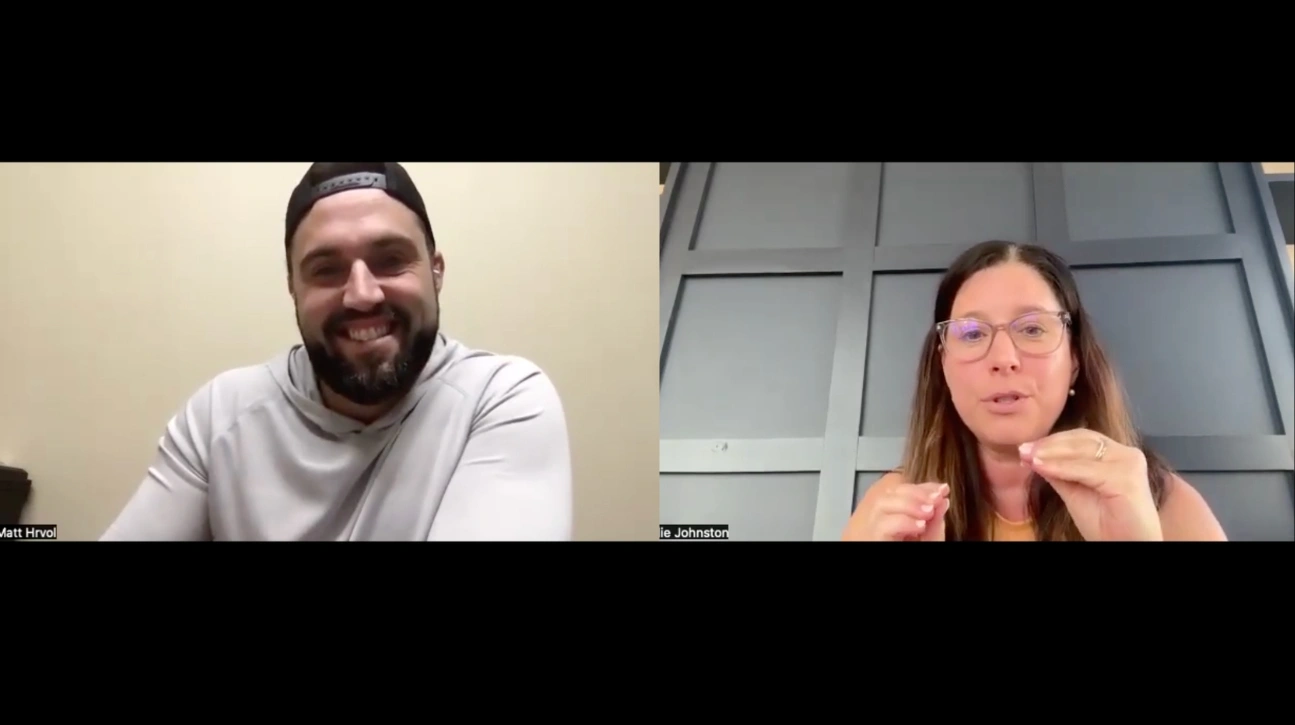
Guest Name: Matt Hrvol
Guest Credential: PT, DPT, CSCS, CPS
Discussion Details: Matt and I discuss PT, exercise throughout the lifetime, and ways to strive for ongoing health and wellness.
Benefit of Watching: The benefits of exercise for long term wellness are unmatched and undisputed. Get inspired and join us for this conversation around PT and long term exercise.
Address of guest’s business:
2400 N Dodge St B, Iowa City, IA 52245
Matt Hrvol: 25th
Natalie Johnston: okay Tuesday the 25th at 7 pm and um Team Iowa does great things over in Iowa City and um I’ve been over there for physical therap myself um to work with Matt and I’m so excited that he’s been uh he’s agreeable to come chat with us and so with that said I’m just going to turn it over to you Matt tell us what are you coming to talk about
Matt Hrvol: yeah so uh my my background outside of just PT alone is uh strength and conditioning for the most part and uh part of this kind of just passion project I’ve had since I got into the profession was trying to find a way to incorporate a little bit more of a classical strength and conditioning approach into Physical Therapy um and what that is kind of morphed into at this stage is what we categorize as the tea performance program um it is a kind of a cash based style approach to um basically taking people Beyond where rehab can get you and a lot of times the uh kind of the old school way of thinking about most rehabs is you know you want to get that person back to that 80 that 90 that maybe 100% um from prior to injury um what my goal is especially with starting up this performance program is to take that person and bring them above what their original Baseline was that maybe predisposed them to that injury in the first place so it’s one of those things that works very nice for muscular scal conditions um I’ve had plenty of posttop patients that have gone through their rehab and then follow up with this after the fact so the goal is really just to kind of bridge this Gap that there seems to be this wide gap between health and exercise and strength training um with you know injury and prevention
Natalie Johnston: that’s awesome and I love the approach you take with that and I think that different physical therapists different exercise Specialists take various approaches which is good because what one person finds exciting may not be what the other person finds exciting but what we all are coming together on and agreeing on is we need to bridge that Gap and what can that look like and how can we promote that ongoing habit right um and so I have more questions about bridging that Gap but first what’s your why so I feel like people um who do what they do are good at it because there’s a passion behind it and so what’s your why I’m not sure I even know this answer
Matt Hrvol: yeah I think I think it’s comes from two areas the first of which was as I mentioned earlier is my background like it was something that I was into far before I even considered being a physical therapist and so that was always this in drive that I had to um you know work out myself but also help others I was a personal trainer for a long time and a strength coach for a long time and that kind of rolled into PT um which gave me that background of like you know if I can do something that I enjoy and I can get other people to do it as well um that’s big obviously for my side of things but less selfishly obviously the what we know from an exercise standpoint especially now um with the more current research is that strength and conditioning resistance training um whether that’s you know any form of resistance training is one of the best medications for the aging process so it’s something that isn’t just bulletproofing you against injuries in the short term but it’s increasing bone density increasing muscle mass reducing fat Mass reducing um issues with the heart the lungs um respiration I think that kind of stuff gets better with resistance training um and so it’s something that I felt like was a good kind of way that we could Elevate um the current rehab profession and kind of take it to the next level
Natalie Johnston: yeah that’s great so that leads me to a question of resistance training weights versus body weight so I teach yoga so that’s we do a lot of body weight with that and for a while I was really wanting to justify that as weights I I think there’s a place for that um but I don’t know the research in terms of um comparison of body weight versus the resistance training what can you tell us
Matt Hrvol: yeah I mean traditional calisthenics approaches so all body weight training have their place for sure um I think the biggest dividing line that you’re going to see especially in most of the research now is um there is a certain threshold that our body has to meet um either from an external load standpoint or exertion standpoint um to actually hypertrophy muscle tissue um body weight is good for most people especially in those earlier phases where you’re trying to learn the movement get the movement patterns down um can use things like you know rep seams or uh hold times or Tempo to kind of adapt that but there is an upper limit on basically what we can get out of that style of training um and that’s solely because eventually you need an external load factor to actually push yourself to that next level and so the biggest thing is like all exercise is good exercise right but um it is more specificity in terms of what we can get out of it um we don’t see the same level of uh cross-sectional area muscle growth um or changes in bone density that we do between body weight and and resistance training proper um especially higher load training uh but you do see very very similar Trends in terms of fluid dynamics in the joints um joint health and integrity mobility in the tissues um cardiovascular side of things all stays about the same so I think it’s I think it’s kind of a little bit of a goal focus um I think everyone obviously would benefit from both styles of of of attacking it um but traditional resistance training especially moderate to higher loads is just gives us that extra little bit that we don’t get with body weight training
Natalie Johnston: yeah that’s that’s perfect and then also just to be clear I mean you said this but just to reiterate because I work with a lot of chronic pain patients and I think that the reality of adding a huge load and resistance is very overwhelming to those patients and so just know if you’re in that category make sure you’re giving yourself credit for whatever exercise you are doing and that’s okay so we’re not saying that that should be discounted um you know this is just um a discussion on the resistance training piece of that puzzle but we could have a whole another interview on the other pieces of the puzzle right but um so you mentioned exertion with the various forms of light or heavy resistance so what is like a um an exertion level that we want to be working at to really make that difference and in our world I think we we like a ratings of perceived exertion scale um and if if you want to kind of briefly describe that scale and what number we want to be hanging out at or ar range
Matt Hrvol: yeah yeah I think uh the tricky part with going into exercise and exertion is that every body is different right every person’s level of Fitness is different every background and exercise is different um so those kind of scales those 0 to 20 traditional scales 0 to 10 is the one I typically use with patients this a little bit easier to kind of you know break apart those numbers um is a good subjective report on where the person is during any exercise or movement pattern um the tricky part and this is the part that that I see all the time especially on those people transitioning from uh rehab or just general you know dra trining into resistance training is that that idea of rating a perceived exertion is uh a little bit lower overall and the idea that maybe they eight out of 10 um is what I would categorize as a four out of 10 and a lot of that just comes from the psychology side of it it’s something that people um especially if they’re recovering post injury they are afraid to push into those higher levels and if you combine that with um you know no real knowledge base of how to do it correctly then it gets even scarier that kind of ramps up that idea and so you get these people that they you know they find what they feel like is an eight maybe the first time they do the movement and then they just stay at that level and they never actually make any gains out of what they’re trying to accomplish solely because they’re not pushing their threshold a little bit um I think one of the biggest most important factors and this is one of the reasons why I I helped develop this program was because uh you want to help boost the confidence in the person so that they can adapt to those new levels of ready proceed of exertion and be able to feel confident in how they kind of push their exercise threshold going forward because exercise is stress it’s it’s literally designed to break down tissue so that we can build it back stronger but there are certain criteria that we have to meet to kind of hit those levels where we’re getting the benefits out of it
Natalie Johnston: yeah so you brought up an interesting point and we kind of we cross this bridge with pain rating scales too but if from the psychology standpoint of it all let’s say I’m exercising and I’m raiding my perceived exertion on that 0 to 10 scale 10 is super high um and I’m kind of hovering between that 6 to8 in and that’s my perception in that moment is that something that you’re going to strive for me to perceive that as a six to8 or you know the where do you where’s your goal for that person to self- perceive knowing that that scale is going to change most likely as they get more experienced and confident but but initially you know where are you looking to have that person rate their exertion
Matt Hrvol: yeah and this is where the difference for me is picking off or putting on my rehab hat versus my strength and conditioning hat and the idea that if we’re looking at traditional models for strength and conditioning um to see uh Baseline changes uh that exertion level that six to8 range um is pretty critical overall um for power development and uh the the higher levels of strength uh muscular hypertrophy we want those 8 to 10 ranges for a lot of those movement patterns that chasing of failure or close to failure um shows the biggest benefits in terms of quality of muscle growth cross-sectional area growth as well as just um General strength um if I’m looking at it more from my rehab perspective uh it’s the same way as if I’m managing someone that maybe has you know a white hot new injury um I’m not going to start them at that 6 to8 range I’m going to find that that entry level um kind of approachable zone of that four to five and we start there and we get confident with the movement pattern we get more experienced with a movement pattern then I creep up you know we do that six range we do that eight range U my goal is by the end of that kind of progression series um is to kind of build them on the similar movement pattern that they started with and then just progress it to a point where they feel confident in that movement so much so that they can push into that that eight or more range for traditional
Natalie Johnston: perfect yeah that fear of movement initially and that catastrophization that comes with the especially post injury kind of workout is very real and it’s and there’s there’s a lot of psychology that goes into returning a person to be able to doing stuff um like what we’re talking about so um the two have to go together as as you’ve explained um so what do you think the um you know we’ve talked about all the great things that occur when people exercise and go onto this resistance training in terms of the physiology and and the the health Ben benefits but what are some of the reasons why people maybe don’t take that jump to bridge the gap and continue exercising
Matt Hrvol: yeah I think a a big component is uh kind of just complacency and comfort it’s you know I don’t want to have to work harder because uh I I’m not in pain anymore so why would I want to you know have to do more uh overall I think a lot of that stems from the idea that we are are very much about rehab and not as much about prehab as we should be in that idea that uh we wait until an injury occurs before we do anything about it um that is something that this profession is driving to change obviously um especially just within the past 10 years um that idea that we can you know work on things to stay healthier and not end up getting hurt um is more important and that’s you know that complacency is hard to break for people especially people that don’t have a background in this kind of training um because they don’t know what you know it actually takes to get there and so their expectations might be that it’s you know an insurmountable amount of work when you could find these very easy entry points for people that is something that they could do and still get the benefits out of
Natalie Johnston: yeah absolutely finding those easy entry points that’s a great phrase I mean right there that that says it yeah that’s tough um what about the the fear of the um perceived weight room culture um I think that’s a really real fear and I don’t know if that’s more women versus men fear or men versus women fear I could speculate but I think that’s real on both both sides of the you know both men and women can have that um can you speak a little bit to that
Matt Hrvol: yeah I think you that’s something that people think about strength training right and you get this kind of stereotypical picture in your brain of you know some big Meathead dudes like throwing iron weights around deadlifts and you know pull-ups and bench press and all that kind of stuff and I think what people need to realize is that uh it is a huge Spectrum right that is just one end of the old school strength and conditioning model um now especially now we have so much more availability of different types of exercise that fall in that spectrum that are much more approachable so more than anything I think it’s just you know that that culture is definitely there in some gyms some places uh but it’s something that people I think expect to see a lot more of than what it actually is in terms of it being present um that is also a reason that you know with the performance programming side of things um a lot of times when people are going into say a new gym and they’re worried about that kind of situation that you know I’m weak or I don’t know the movement patterns or I’m gonna look silly doing this in front of all these experienc lifters um just stems from the fact they don’t have any you know actual hands-on experience in doing things right and and know how to progress themselves um my goal is to to expose them to that to you know find the stuff that is doable the stuff that they can do and take to wherever they’re going to be working out whether that’s at home or whether that’s out in a commercial gym um and be able to feel confident in the things that they’re doing so they’re not as concerned about oh am I am I doing something silly
Natalie Johnston: yeah I mean the culture and social media definitely feeds into the perceived weight room um scariness uh I will say that much so you know I give you permission to ignore social media if you’re looking for that um permission but I think that um you know there’s a bigger lesson here that that came out in your answer and that’s the lesson of confidence and self talk and we’ve talked about the great things that come physiologically with exercise but let’s go back to the psychology of our individual self our mind and body so kind of me tying in a little yoga perception here but you know if your selft talk is I’m weak I can’t do this I don’t belong here they’re better than I am and you can through somebody like you learn to be successful with an exercise size program how huge is that when you leave that weight room with the rest of your life and I think you know I talk about selft talk with people all the time and in the negative Pathways the negative neurotransmitters chemical Messengers that get activated with our selft talk and our self-depreciation um throughout our daily life and I just as you were talking I I was thinking wow that’s that’s just a huge like not even building muscle strength or bone strength but what a huge gift that you give yourself when go through the rest of your life
Matt Hrvol: yeah I mean it’s it’s something that you you actually see kind of Blossom in in these people that have gone through the program on that side of it because there is yeah there’s a inate fear right away of uh am i g to be able to do this or am am I get am I too weak or am I gonna not be able to work as hard as I should um and just to see that change occur where they get confident with a movement pattern and then they can also build on that movement pattern learn how to actually use Progressive overload and push themselves forward honestly just getting that little bit of confidence makes a world of difference um especially if they’re entering say you know a new gym or a new what have you um because they have the tools that they need to to kind of uh take care of themselves be confident with the movements and then I always tell everyone that goes through this program is that uh I am always here to fall back on the goal is to make it an independent program for you um but I want to be that source of information if you do need need a change or a modification or you have trouble completing a movement pattern um that you can Circle back and we can kind of you know navigate how to get you in the right spot where you need to be
Natalie Johnston: yeah awesome so I know um I was kind of floating some questions by you before we did this and then I had to laugh because Matt decided to ask me a couple questions I’m like no that’s not that’s against the rules I ask you the questions but there they were good questions so um and I know we’re um going to wrap up here in a minute but one of them that you uh mentioned was um do you feel that the average PT is adequately trained for a performance-based approach or do we need to do a better job as a profession um and it’s it’s a good question I think I would like to say that I wish that the average PT was adequately trained to understand all the principles the big picture approach but then able to say hey I know this PT and this is what he does a lot of and he’s got a lot of extra training in that area so I’m going to get you over to that PT right I think every PT should have that base knowledge of uh some high interval in or some high-intensity interval training the benefits that that can have some overload based resistance um you know the principles of exercise we all need to know that and if we don’t let’s get some continuing head um um and be confident with that but in terms of developing like a a performance-based program I think that’s where we make use of people like you who have much more training in that area it’ be like as a chronic pain specialist um myself I and I run into this all the time lots of other pts are treating pain and then they say it doesn’t work and what they don’t understand is that those of us who’ve gone through additional training have spent hours upon hours practicing those interview skills learning the psychology behind it um you know they we we F tune that skill and um and then it does work and so same idea you know it’s no nothing against other pts who are who are trying to be the pain specialist I’m I’m thankful that everybody is trying um but in my situation I I think that if I have somebody that needs a strength based uh performance-based program I’m going to send them on to some like you has that’s what you do right that’s your specialty what do you think
Matt Hrvol: yeah I think uh as a whole I mean going through PT School general yeah you get a great idea of uh what the the basics are right what the concepts are as you mentioned um the tricky part is that uh it doesn’t make you a specialist in any one area right you kind of a master of all kind of thing um the the bigger thing is you know looking into those people who have more experience in a certain area your chronic pain for instance is is a great first step overall um what I feel like as a profession as a whole um that push towards us being a little bit more of that hybrid of uh not just a rehab expert um but an exercise expert is is just as important and whether that’s yoga like you um or strength and conditioning like me but having that ability to take people Beyond just rehab um is is super critical especially just because you know people are trying to do more be more active be healthy and if we can steer them in the right direction that’s you know something that’s gonna get them there
Natalie Johnston: that’s awesome yeah that’s so key we should be exercise Specialists every single one of us no matter with coming out of school we should be exercise Specialists totally and and more emphasis on that that long-term Health preventative stuff um okay with that being said thank you so much um come out and check uh come have a discussion with with Matt on the last Tuesday of the month and um what’s funny is Matt lives like a quarter mile from me but we had to do this via zo Zoom because of schedules um Matt and his uh fiance so um thank you for doing this and I look forward to chatting more with you and so who should come who should come to this talk
Matt Hrvol: honestly anybody this is something that like if if you have no training background at all and you’re like I’m kind of interested in the idea awesome show up if you have zero interest in the idea show up I have seen so many different people for this program whether that young athletes that are looking for advanced plyometric training jumping sprinting cutting um I’ve had you know 75 year olds coming off with total knee Replacements that just want to take their Fitness to the next level afterwards so my goal is is to make this approachable to everybody so anybody is welcome
Natalie Johnston: awesome and when you come and talk you’re going to tell us like how to sign up for it if if we’re interested and taking that next step right
Matt Hrvol: yep you got it I will bring along plenty of information for that um and then we can ask as many questions as you like
Natalie Johnston: okay groy well thank you so much Matt