
Spotlight Series
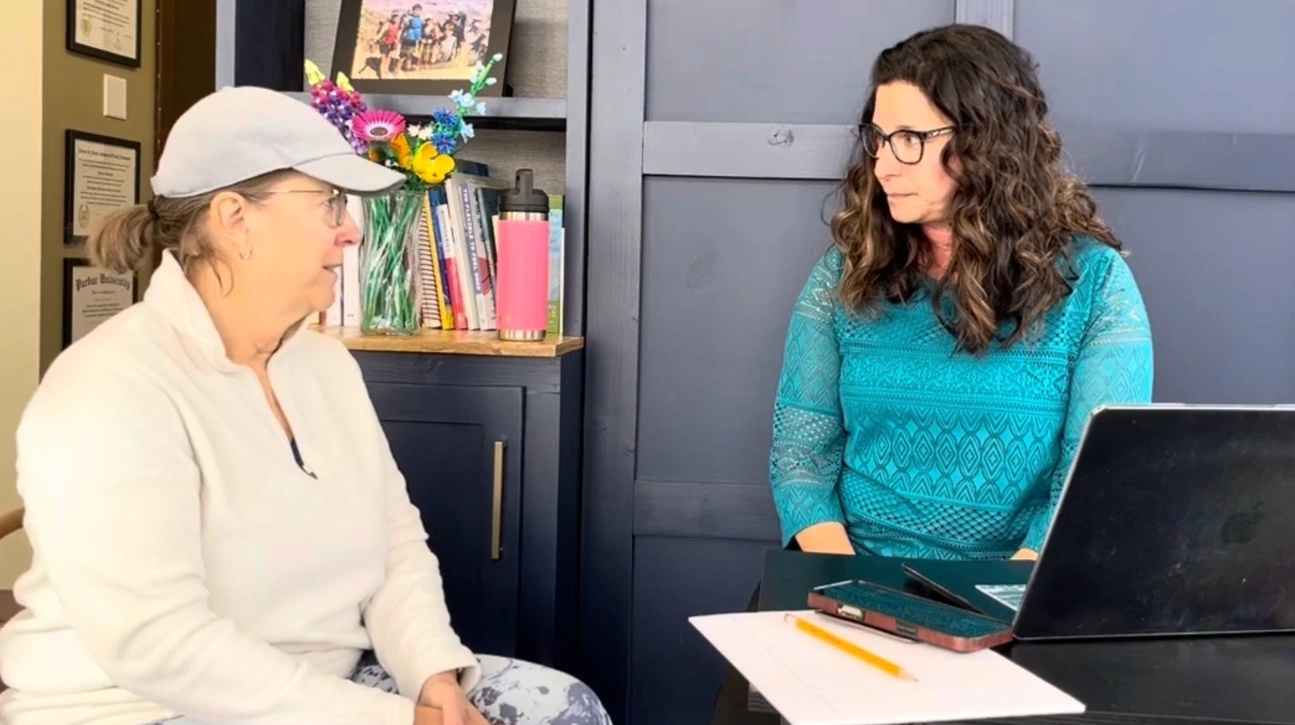
Spotlight Series Topic: Perimenopause and Beyond
Guest Name: Laura Murphy Dellos
Guest Credentials: MSN, ARNP, CNM, MSCP
Discussion Details:
Laura and I discuss perimenopause, the misunderstandings and the hope for treatment options.
Benefit of Watching:
Perimenopause and Menopause are only starting to get more discussion in the public. Watch this video to gain understanding and clarification on these hot topics!
Laura Murphy Dellos: thanks Natalie so I’m Laura Murphy Dellos and I’m certified nurse M wife I’ve been in practice for a little bit of time here over 30 years um but adding menopause as a regular component of my care is a newer feuture I became certified through the menopause Society about a year and a half ago and started offering menopause specific menopause care during that time but uh as my own patients sort of aged into this need um it became apparent to me that I had um a deficit in my own understanding and largely that’s true of most of us healthcare providers because this topic has sadly been pretty neglected in healthcare education so um I did seek out that um uh certification and I’m now providing mop house care a couple days a month um through the university so and I also greatly appreciate our relationship I find that one of the things that makes me successful in probably find this too is the things I learn and that from my own people that I take care of and I think when we you know engage in listening and and hear what people to offer have to offer we can just do better so and I um didn’t get my work out in this morning so you’re seeing me and my commitment to knowing I have to go home and get that done afterwards so pardon the very casual look but I love it
Natalie Johnston: she she actually didn’t realize we were recording this morning and she was still willing to to jump in with this and that’s a perfect segue because we have to prioritize those things and so really I think it just keeps things real for all of us and and says yeah that includes you working with patients you you want to get your workout in too so sorry to interrupt
Laura Murphy Dellos: yeah no exactly exactly
Natalie Johnston: all right so let’s jump right into it um we we have a few questions and this is just kind of a preview interview um Laura is going to come and speak at our Clinic my clinic clinicare motion matters physical therapy and wellness in North Liberty next month and the information about that can be found on the website PTM motion matters.com and she and I are also talking about the possibility of creating or um scheduling a screening of a new menopause documentary that um has come out and we’re we’re talking about maybe having like a a screening of that here with perhaps a panel discussion where people have an opportunity to ask questions so stay tuned for more information on that to come um but let’s jump in with the question so first of all menopause some people experience issues and some people have nothing um why why is it that some of us think our life is ending and others are like no big deal we didn’t even notice
Laura Murphy Dellos: that’s a great question you know I think as in all phases of our life and and there’s no decade of our life where where our hormonal situation our menstrual cycles are completely static and when we’re in our reproductive age right so that year periods were a certain way from 20 to 30 may not be the same from 30 to 40 and certainly not 40 to 50 um the ovaries especially during the per menopause phase are not reliable and they are releasing not as controlled amounts of estradi as they maybe did earlier in time and some of us are just simply more sensitive to these hormones than others um certainly having prescribed um combination birth control for so many years I’ve definitely seen that where I can take five people put everybody on the same pill everybody has a little bit different side effect maybe someone thinks it’s great it’s wonderful I don’t have anything and the next person has terrible breast tenderness so that if has taught me through the years that we all have a very individualized response to how our bodies react to these hormones and I it also a little bit like Earth pregnancy if you all have ever been pregnant right like you have those friends who never had a minute of morning sickness and then there are those of us that were very impacted um so I think it’s just we’re all individual human beings and deserve individualized treatment because of that
Natalie Johnston: um that makes makes complete sense and I don’t know why I didn’t think of it like that before but in in a parallel world with the chronic pain world or with pain we have nervous systems that are are more sensitized in some people for various reasons um and so I I guess that I don’t know why I didn’t think of that but that makes sense that you’d have the varying responses in the nervous system to the endocrine or the hormonal changes that are happening within the body
Laura Murphy Dellos: absolutely and I think you know I I tell the story often that I can remember where I was in nursing school which lecture hall I was in when we had our lecture as a young 20s something on um PMs and kind of nudging my colleague next to me my classmate next to me and being like well this is a bench of whatever you know like who has this and boy did that come back to fite me and in my 30s because I think also our serotonin levels like all these things are so intricately tied together and when we add layers of stress anxiety lack of sleep um inflammatory markers when we’re not able to meet our sort of um good health behavior needs poor diet like and people can have all those things working well for them and still have impact of how those hormones play out in their heads you know because uh estradi and progesterone test um and testosterone are manufactured in our ovaries this whole management of Perry menopause menopause has fell into the laps of us in the lgn mid with re world but really we have we have these hormones in every cell of our body and it really takes a whole body approach to help manage it for folks
Natalie Johnston: yeah well well explained um that kind of leads is a great way to the next question um so we get a lot of um people trying to figure out uh when to ask their doctor about hormone replacement therapy or menopause or per menopause type symptoms and when to ask for testing and it seems that sometimes either we’re we’re not heard um or we’re brushed off in terms of a testing is just a snapshot of a moment in time for hormones so it’s not worth it and then you have the other side of of folks who are like we’re going to test it all and here’s what you have and you’re deficient in this and you need that so you know how do we figure out when to ask about par menopause and menopause how to get a doctor to listen these are a lot of questions all in one sorry and should we have our hormones levels tested or not
Laura Murphy Dellos: sure all great questions um I think as a good basic resource there is a new book out by Mary CLA h that I think lays out a lot of this very well in a very understandable way and one really nice thing she does and Jin Gunter also has a great book out there so there’s several good
Natalie Johnston: is that the menopause Manifesto yes okay yes um and Mary CLA I think I see her a lot on Instagram probably Tik Tok too I don’t
Laura Murphy Dellos: on Tik Tok exactly and hers is the new menopause so both of those are excellent Resources with good sound scientific information um and I do like that they list all the symptoms because you know we’ve just too long been like me you know this is all just hot flashes boom that’s it there’s page full of symptoms that go along with this because our whole body’s affected so the testing piece um is I know there’s a lot of controversy and I have this conversation every day because people come in saying but don’t I need my hormone levels checked the simple Western medicine answer to that in 2025 is no there is no standardization of hormone levels that I can say oh ardal is this then I need to treat with this amount we treat by symptoms we start with the the lowest dose possible of the hormone we use it transdermally we’re using a micronized bioidentical estradi so there’s no reason to that you know we need to be thinking about other products when we have good safe well regulated products um and at least for the estrogen and progesterone side um and so we really manage as I said based on those symptoms um so the blood testing when that can be helpful is especially when we’re helping folks with things like low liido and we’re thinking about adding testosterone then a testosterone level can become important and very helpful to know where we’re at with that and also with a sex binding hormone globuline because knowing where that is can help me understand how well someone might respond to testosterone use okay there is no FDA approved testosterone for uh women and so we are left with using the male FDA option um options that are out there and or that is a situation where we may have to look at some sort of compounding option through one of the compounding pharmacies but when I am using testosterone that way then that is a situation where I would um check a level at the outset and then follow it because testosterone um can have some unwanted side effects um that can be irreversible like enlargement of the Adam’s apple deepening of a woman’s voice also can have acne um hair hair loss on the top of your head hair growth on your face those three things are reversible but the other two aren’t and so that is a place I would use blood testing um but within the purview of providing per menopause and menopause care in our menopause clinic and all the other academic centers we are not using um blood testing to guide our management
Natalie Johnston: okay and that’s yeah it’s interesting cuz I I think you definitely hear such a huge variety of opinions on that and so I appreciate that perspective um that you have to offer and I hopefully you know we can just kind of take the pressure off some people with that perspective too to say just take a deep breath save some money just pause for a moment and um keep educating
Laura Murphy Dellos: yeah yeah I mean I had someone come in recently and she was buying all these things online paying upwards of1 $120 a month for all these products she was getting that were not FDA approved products and we you know they were estrogen and progesterone and when we we looked at that and I just said hey you know I have products you have insurance that will cover these what do you think do you want to try switching she’s man you know loving that the products are working great for her and she’s saving herself money because they are covered on insurance most of the time with um estrogen and progesterone especially um there is pretty good coverage for those things until women get into a Medicare age and then it gets a little trickier um but uh they also have come down in cost what is harder to get covered and have people use is when we can’t use hormones um those medications that are newer medications and can be very very helpful but they don’t have a generic version so they can be costly
Natalie Johnston: okay so what about the um the issue where we find it’s hard to have health care providers believe your symptoms could be related to menopause or per menopause I know personally I’ve seen some younger patients in with quite a few comorbidities and I have wondered whether they are in early per menopause because of the clust symptoms that they presented with and so I’ve encouraged them to go back and bring that up with their providers and their providers look at them like they’re crazy um and and won’t even hear of it but I think that there there is value to listening into saying well wait you know some of this could be an early onset par menopause with the comorbidities occurring within this particular patient population or just anybody who’s going through it how do we get that attention to say please validate something
Laura Murphy Dellos: so I think you know classically we think about Perry menopause being about a seven to 10 year Adventure ahead of menopause which you know you get the menopause Crown I joke that we ought to have an award that you get when you come in and tell me like a metal and we can hang on wall um because we can only say we’re in menopause when we’ve gone an entire year without absolutely no bleeding so everything leading up to that is per menopause okay
Natalie Johnston: okay and so pretty much after you’re done having kids if you had kids between then and after you have a year of no bleeding is that right
Laura Murphy Dellos: yes okay yes exactly and so this is that time when you are starting to see that you know sort of variation in how much estral is getting released you know you’re adding on that typically in this part of our life many of us are stressors are very high during those years as well so now our you know our um request of our brain serotonin is and all those factors is is ramped up and it’s the sort of um I think what I’m seeing is that women probably are entering into maybe a primary care situation or even you know wherever they’re whatever care they’re getting coming in with what might be some per menopause symptoms that are also so they have a lot of crossover to is this anxiety um and so what is the best first line to treat and um a lot of people are getting put on um medications for to treat the anxiety which are can great I have no no um uh issues with using these medications they’re they’re life- saving for many people they do have some Downstream consequences though so you know really finding someone who will sort of listen to those symptoms and understand like this could be some per menopause and is the best approach to go you know do a inventory on at the anxiety level do the right inventories to screen for depression you know look at some of the other things that could be going on in people’s like lack of sleep lack of sleep what’s their thyroid doing what’s their diet like all these things so getting a whole system whole person person approach and then thinking through should we think about Prem menopausal hormone therapy um is this a situation where we suppressing those ovaries and getting rid of this sort of wild estradi ride might be the answer or is this something that would be better managed with something like um an SSRI more of a mood medicine so I think those are kind of the things that I’m listening for as I see folks um and I think yes I think there is menopausa having a moment so I think there is a much greater awareness and I’m seeing a lot more referrals come in from my primary care colleagues who you know are recognizing these things um you know I think it’s also important to just recognize that you know from the time we start our periods we’re sort of marketed to that our hormones are bad our bodies are broken there’s something wrong with our hormones and if I could do any one thing it would be to rewrite that script that our hormones are actually pretty amazing and yeah they fluctuate and yes we have to learn to live with those but they aren’t breaking us and there isn’t something necessarily the matter with us but we may need some help at specific times in our lives and we may need to um you know do some treatments or change some lifestyle things but we’re not broken and that is probably the hardest thing for me to hear over and over is you know I’m broken but some things the matter with my hormones and I I just think that that’s a message that has done a big disservice for women and it just starts from an early age
Natalie Johnston: it does start from an early early age I love that you said that um because you’re absolutely right it the the rhetoric around getting your period hormones par menopause it’s it needs to continue to change and a cultural Paradigm Shift has to continue to happen with that and we as Healthcare Providers have to take some responsibility here that you know when the initial results from this big trial back in 20 20 late 1990s early 2000s came out that really just abruptly caused us to stop you know prescribing and using hormone therapy for the vast majority of people we really didn’t have any other great options we didn’t really like put any research funding into really looking at what to do menopause affects 51% of the population and we didn’t have other resources ready and put an investment in in women at that for this stage of life and just to be clear that research has since been debed it’s been reanalyzed at nauseum and um really the information for instance the uh 25% increase in breast cancer that was published from that original assessment of the trial that stopped that arm of the trial in 2001 um has been totally re-evaluated and it is it’s not that high percentage that people think it is actually a very small amount and interestingly in their estrogen arm which was a synthetic estrogen not even the biogenic one we’re using now the um breast cancer rates in the people on estrogen only had lower breast cancer so you know our observational studies um that we have now to draw upon have shown you know really a lot of safety with using especially transdermal but estrogens those sorts of things so um sort of circling back to the this whole idea that um you know that things are broken a whole Market stepped into that right
Laura Murphy Dellos: sure and what we didn’t offer as professionals has been really taken over by others and um you know all kinds of supplements and ideas of other sorts of treatments that you know may or may not have strong scientific evidence behind them so you know I mean we own this as much as anyone else that we haven’t really had good options but you know there is definitely a movement now to change this
Natalie Johnston: yeah that that’s amazing and and we’ll keep working at it um I like how you said so if we go back a little bit you mentioned um people coming looking for possibly validation of per menopausal symptoms but then from your perspective analyzing and saying what’s really driving this is this a sleep a nutrition is it the the lifestyle medicine component um and then deciding where to intervene is it a um some sort of hormone replacement or um you know do we need then is the driving Factor more the stress in that person’s life and then I I think from a medical professional standpoint um the the biomedical system is set up so that there’s not time to sit down and say listen I hear you I really think based on what you’re telling me that stress is throwing a lot of this uh kind of outer whack would you be open to some stress counseling and try that for a couple months before we go into suppressing your ovaries or um if we think that that’s it or how about let’s do some sleep training and get you on a a regular kind of get that circadian rhythm back um back on track and then re-evaluate and see where things are at um versus just jumping to this is my per menopausal symptom I want intervention for it and I think that as an individual who’s in that par menopause um kind of area of life I can see where that would be really confusing I have the information to sift through that in my head to say oh yeah okay I need to sleep and okay I’ve tried this this and this I still need something I’m G to go ask you for something um but I don’t think that the general population has that information and they need a medical provider to sit down and help them think through that in a way that still validates what they’re feeling sure would that be a fair kind of I know that was long-winded but um it was kind of this aha moment to me of oh yeah there’s that there’s all sorts of inter overlapping symptoms here
Laura Murphy Dellos: there are and our approach is to try to look at that whole system and you know which also includes Sexual Health we haven’t even touched on that um but you know look at what what are those other mitigating factors and I oftentimes those are the really hard work ones you know um almost everybody comes in with a frustration of weight right we know that you know women midlife gain kind of up to about 177% of their total body weight just happens midlife and um you know the idea that we should be calorie restricting and um only doing cardio and those sorts of things we’ve done sort of a disservice to people on that so sort of looking at people’s exercise patterns and their nutrition patterns and less focus on the number on the scale than that you know how do I feel 0 to 10 how strong am i 0 to 10 you know like those numbers where where am I at with those sorts of things because long term that’s what’s going to save us as older women and having that eye on you know where we want to be in our 80s and 90s and that takes the work in per menopause to think about that so you know I think we’re able to to help people with a lot of the you know just the way our sort of society is of healthare is set up um and being more you know here’s a medical treatment here’s a pill here’s a thing um I think we don’t have as many resources as we’d love to all see and maybe the resources are there but are they conf you know can people get their health coverage to pay for them to help with those really harder kind of pieces that it takes to sort of be M up
Natalie Johnston: yeah yeah well I feel like we could go on for a couple more hours back and forth um we should probably save some for your talk um and then we could still probably go on for a couple more hours after that um so one more question some one of these um or some of the param menopausal symptoms um are are can be quite concerning um if they’re not because of param menopause so how do we differentiate and kind of pull out some of these red flags I mean I I think of when I was going through and still am the forgetfulness the word finding uh when it first started happening I I was like I’m getting early onset Alzheimer’s what is wrong with am I having a brain situation happening and then I read a book I read the the menopause Manifesto and that was right before you started the menopause clinic and I remember my chart messaging you and I said uh I have questions I just read a menopause book and I think I have all the symptoms in the per menopause do maybe I need help so you know but but for me then I was like oh aha that that’s I’m not having a major neurological event um how do we know I read somewhere that the the most common age that um a woman sees a neurologist is age 51 right coincidence so um yeah we definitely know there’s some changes in cognition that happen around this time um and so so you know I think with all these things you know teasing out the you know is the fatigue is this just sleep Interruption change in sleep that naturally occurs with age is this something cardiac going on um is this something with the thyroid so you know we will do some baseline labs to kind of look at some things we’re looking at people’s you know Vital Signs and looking at their blood pressure and you know working you know in tandem with their Primary Care yesterday I saw someone who you know you fatigue came up for her and you know as I looked back her blood pressure was high yesterday you know I looked back and I said you know this has been high for a little bit and you know I think you probably need this is not in my gynecology wheelhouse to investigate but I think I’d like you to schedule with your primary care position for this particular you know we we sort of worked through where her sleep is at and you’re screening the systems we’re screening the system need to yes yes so again sort of that careful listening doing some baseline blood work or making those referrals as we need to to you know our Endocrinology friends those kinds of folks to just help us sort through what could be other issues okay awesome I love it so anything else we should know in preparation you want to leave us with any final thoughts um I guess that you know if people have specific questions that would be very helpful in guiding sort of what I would be presenting and and making sure I get people the um answers that they’re looking for so um if they can reach out to you and let you know like what about this what about this then I want to make sure that I come prepared to have that get that answered
Natalie Johnston: perfect and if you go to the website PT motion matters.com and then you click on the community tab um Laura’s picture will be there and you just click on that and it’ll take you to a for to fill out to register for the event it’s free um next month and feel free on that form you can write your questions so write any questions you have about menopause and we’ll start per menopause menopause we’ll start collecting them um all right well thank you so much for your time and we’ll leave it with that and we’ll look forward to seeing you next month
Laura Murphy Dellos: great thanks d