
Spotlight Series
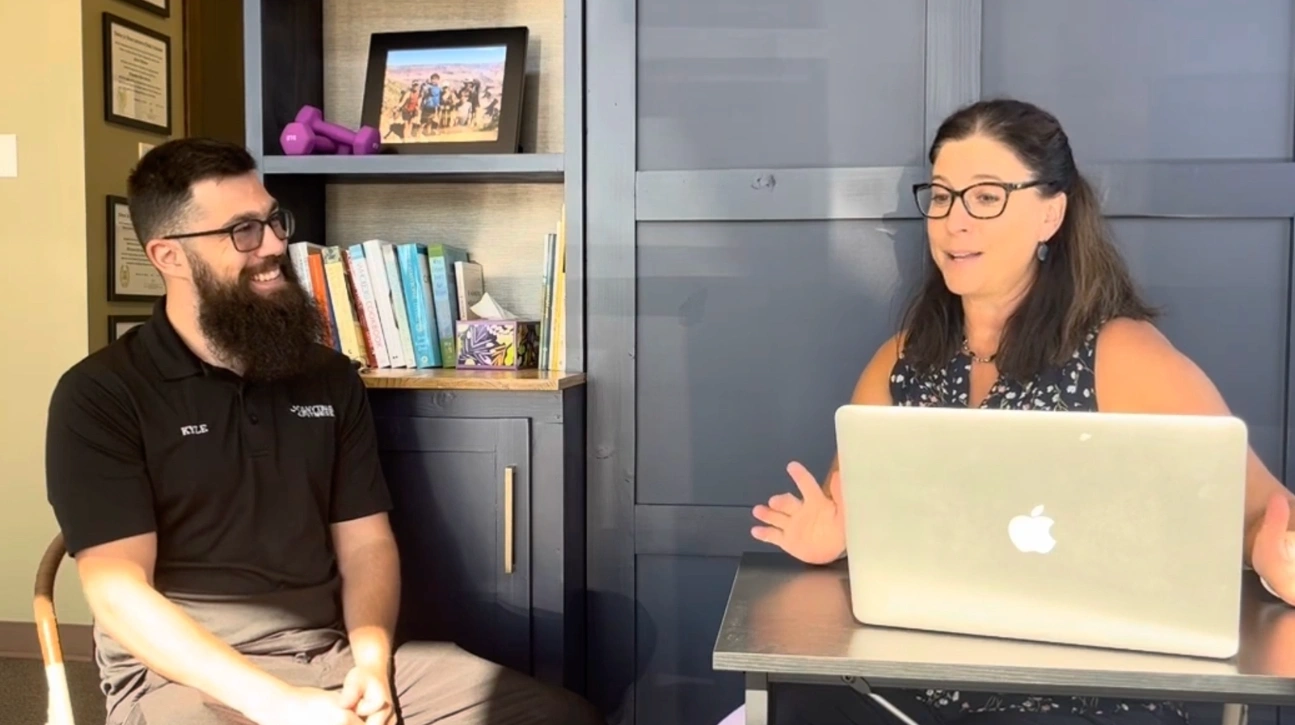
Spotlight Series topic: All things related to shoes!
Guest Name: Kyle Gardiner
Guest Credential: Club Manager
Discussion Details: Kyle and I discuss all things related to shoes. Should you wash your shoes? Are inserts better or worse than shoes with built in support? Minimal shoes vs more supportive shoes?
Benefit of Watching: If you wear shoes, then watch this video! Simple as that. You will gain some tips and tools about your daily shoe use.
Address of guest’s business:
North Liberty Anytime Fitness
650 Community Dr, North Liberty, IA 52317
Kyle Gardiner: yeah so I mean when I was younger I predominantly grew up in somewhat of a unhealthy environment I was the youngest baby of a big family so I went and just got into health so I was always doing sports I was was always active I was fascinated with science technology shoes and then health and then really it just became a hobby and then um doing it for my own self helping others and then I started it as a part-time job um uh along with my full-time job at the school and then it just kind of developed to like a 10year thing um and yes then the business ended up closing and I uh moved on to a different kind of career path so um but uh still all in all um very well versed and people want education and want to be healthy I’m always willing to help
Natalie Johnston: awesome and I should say that Kyle is one of those people like you have people who might remember your name you have people who might remember your story I I remember people’s stories but I won’t always remember their name and then you have people that just don’t remember you at all but Kyle is one of those people who remember your story and your name so it doesn’t matter how matter how many years in between you just come you’re like hey Kyle I need some help and he’ll be like okay na what what can I help you with um so anyway we I we certainly appreciate that about you in this community um here so let’s have a bit of a discussion about shoes um and maybe across the lifespan and that seems appropriate to maybe just kind of start with um childhood toddler Elementary age you know let’s kind of start the discussion about yes sh is in that age
Kyle Gardiner: so overall like um again my background is a little more holistic so I would like to say that as Barefoot as possible and as flexible as possible so whatever shoes We’re binding our kids in we want to make sure they’re flexible we want to make sure either they’re Barefoot um even the sun can shine on them maybe a a sandal of some nature um something that’s easy for them to slip on and off and then as well toebox right we don’t want to squish the toes because when we are walking and running our toes want to naturally flex and so when we give that natural felx as a young age it actually builds our Arch and our heel up to be even stronger so when we work on that from Young um it’s easier when we’re older it’s that same concept kind of with everything um health and body related the more we use it the more uh you know better it’s going to be so um I think that young kids we want to be as flexible as possible and continue that into adulthood right if we can now if challenges persists or whether autoimmune issues or neuropathy so things like that um we want to then address that issue and find the most comfort in that scenario and again usually adding a little rigidity to keep the foot A Little Less Mobile prevents the pain
Natalie Johnston: yeah so yeah so as a physical therapist when kids are young I grew up Barefoot um just that was kind of the environment we were in um and you know I think nowadays um there’s a lot of and especially in in the midwest where we get Winters and snow right so there’s just so much emphasis on quick put those shoes on put those socks and shoes on and and I think to a degree then from a sensory perspective and and this is my physical therapy background coming in we kind of lose that sensory input to the bottom of the foot and the muscles and the nervous system that kids get from a very young age just kind of walking running around Barefoot whether it’s the house or outside so and again it can also tie into the busyness of everybody’s schedule right both parents working daycare 7 to5 you know primarily they’re always wearing shoes again if anybody’s listening I would recommend even in a daycare setting to have them put their shoes in the Cubbies and try to let these kids as much as possible you know run around Barefoot um let those feet breathe
Kyle Gardiner: yeah yeah um but again I I do I just think that there is a ton of value for our young kids to even have that grounding effect um to get the you know good energy from the ground through the body as well um and there’s a lot of good research on that as well and so um yeah I think that uh understanding the shoe game is important because once we started manufacturing these Eva Foams um there’s a variety different types of them there is scenarios where some of them can actually damage the feet and the positioning right you might buy a shoe that’s cute but all of a sudden then you’re wearing it for a couple years or too long Etc and then all of a sudden your foot’s changed or you have planner fasciitis or you know or hip issues you throws the hip upop there’s so many things that in the back so I mean we can have bottom up issues that occur and then we can also have top down issues meaning somebody who’s got some hip and back issues that are improved then with proper shoe wear um I you brought up diabetic neuropathy a little bit earlier um and that leads me kind of into uh some of those issues and
Natalie Johnston: yeah I like how you said you know in in circumstances like that we need some stiffer shoes some more supportive shoes right
Kyle Gardiner: want to make sure there’s not a nail that’s get into that bottom of the foot you got to make sure you have the proper um support there well the rigidity right of the carbon plate if that’s what they get or like a hul a Bondi without the carbon plate right so the rigidity of the shoe you can’t bend it twist it move it um that is really going to just help stabilize the pain right so it’s not fixing the issue correct but it’s stabilizing the pain right so then what the next steps would be is if um neuropathy is then stimulated more so by inflammation too um diabetes Etc then obviously the diet change would help reduce some of the medical side of the neuropathy pain too as well right getting in that holistic might make sure we’re fitting you in shoes so you can exercise have a great um nutrition plan all of the above all the above
Natalie Johnston: all the above yeah yeah so planter fitis that’s something that quite a few of us can relate to I know I was one of my marathons um you know kind of did me in with a high miles training and um next eight months or so I really had a hard time walking and long story short got better I’m back to running but you know I know a lot of people listening can relate to that PL fastis situation so everybody yeah let’s talk about like inserts versus shoes because a lot of people then will be like well I just need better inserts or and I know you and I have had this discussion a bit so let’s kind of chat along those lines
Kyle Gardiner: yeah um I love the question and uh I’m not so much an insert guy if you haven’t worn them for a long time if somebody comes in and sees me and been wearing an insert 20 years I’m not arguing with with them about it I might give him some suggestions about what I believe might even better help them if they’re still having pain wearing something like that um however uh I believe again that if you have a planner vasitis it is something that you can heal naturally but somebody like you and I who are getting that doing these exercises or doing things um we aren’t stretching enough right so we are just going out giving it our Max and we are not keeping our body well
Natalie Johnston: actually Kyle that’s why you need to come to the yoga class some of us are stretching a little bit more now I’m just kidding
Kyle Gardiner: that’s good but that’s good so and then but we’ve all been there right we’ve all been to a situation where we know we have a half marathon we’re we’re running our family we’re running our household we’re running our uh life job and you know what instead of stretching for 15 minutes I’m going to go run 13 miles right and so or I’m going to go work out hard and do box jumps and do all this stuff and then all of a sudden right you feel it uh you see it in professional athletes with Achilles tears and things like that right their their ligaments and their tendons around you know whether the heel cup the F the arch any of those areas um is just inflamed it’s not stretched out it’s not feeling good and so then when we overextend that um it’s going to create that pressure Dynamic I’m a big compression guy so I believe that if you wear compression throughout the busiest part of your day I’m not talking at night you know Etc that’s when it should be breathing and relaxing and you should be stretching it more rolling it but like big compression guy as far as increasing blood flow so we know that there’s a bunch of good things in the blood so if we can get good blood to an injured area it’s going to heal it faster and that is just something that’s proven right so I would encourage that I would encourage a bunch of stretchings if then say you try it for months on months on months um getting a flexible insole with like an arch in it to keep the arch from over collapsing if that is what is creating the plantar versus is just like overuse like me it would be overuse it’s not my arch falling whereas some people are getting it cuz they’re being active and their Arch is just constantly falling it’s creating a bunch of pressure on the heel and the knee right so then it will start to work its way up and so then what we would want to do is try to stabilize it again with something flexible now if you try something a little more rigid super feed Etc I could give you a bunch of options that would uh um feel reliev better um I’m always for giving it a go it’s a scenario though is once you start wearing insoles for a long period of time I’m not talking a year I’m talking two three four we know that the longer you wear the insole the more dependent the foot becomes on it so that is also then something we have to accommodate for and also if you’re wearing it all the time right every shoe dress shoe house shoe all that and then um we just want to make sure that your foot is the healthiest possible for what activities you’re doing so I think that the plantar is very healable it is very fixable um you got to stay consistent you got to be disciplined um and um anything else
Natalie Johnston: so yeah I I love that so the planner fascia too that area um my understanding is that it’s really not an area of a huge amount a blood flow and so um really keeping that low intensity movement to bring blood flow to allow that healing is key for that area um often times you’ll hear people talk about using ice for planner fitis um I actually have my patients alternate with some heat with the um with the goal of bringing some increased blood flow to that area and have some good results with that along of course with all the other things so um I think what I hear you saying is that there is a case for ins it comes with um maybe some different needs in terms of are we looking at an overuse injury or a mechanical biomechanical issue that we’re trying to correct um and then also we need to look further up the chain make sure we’re doing those exercises for the the feet the hips um the quads all the things that also will will support somebody’s gate right um but then also the shoe supportive shoes can be just as effective um in some cases so kind of a case for both depending on what we’re dealing with
Kyle Gardiner: well you just brought up supportive shoes and I would say that um I would more so go that route of selling somebody a a supportive shoe than even an insole like if I can get just as much benefit of selling them something that is Allin one right um that I would do that than giving them an extra piece that they would need so more times than not that is the probability that you could get somebody in a Brooks stability shoe and so I mentioned Brooks just because they have the best support stability on the market right so um really it’s going to be built up side to side so medial and lateral so again you’re talking weak ankle pain heel somebody that’s struggling with movement while they’re walking running it’s really going to try to lock that in on both sides and do it in a more healthy way than being directly implanted right underneath the foot so then the foot becomes dependent on it right so it’s also a great way to go from healing a plant or fasciitis so like with something with a little more stability shoe in it and then going to what you love is like a Brooks ghost masks right so like once the injury is done let’s get you a nice shoe that you can you know and that’s all depending on mechanics like you said biomechanics and all the other stuff right
Natalie Johnston: and and I want to be clear with any of this stuff you know it’s really important that you’re working with a physical therapist a shoe specialist all of the above so that you’re really um taking that big picture approach the shoe by itself is not going to cure you it’s it’s the big picture approach right eating healthy sleeping exercising in ways that don’t uh contribute to the overuse injury all of the above so Mobility
Kyle Gardiner: Mobility Mobility yep yep key word right there so
Natalie Johnston: um one last question and I forgot to put this one um forgot to warn you about this one but if you were to tell the world um something I know no pressure something that they should know about the shoe situation you know what’s your one piece of advice I know you have more advice but one piece of advice that you want everybody know when they are considering buying a shoe I know tough question for the spot put you on
Kyle Gardiner: yeah I got a couple of them right off the top of the head I’ll I’ll let you have two okay two so uh one thing is is that I would always buy a shoe Sho over Comfort over like color design all of that if the shoe feels good going on and walking around standing for a half hour in it when you bring it home then I am like you know 90% sure that it’s going to be a a good option right um and then next would be never buy a running shoe or sportsare shoe true and put it in the washing machine
Natalie Johnston: the washing machine yeah that’s a whole another discussion isn’t it thank you for bringing that up tell us why
Kyle Gardiner: yeah well it just ruins the foam so then when it goes and you think it’s dry and you go and stand on it walk on it a lot of times that moisture and water can stick in between the Foams get in there and just crunch it and so then you’re wasting your money I would always say if you’re looking to clean your shoes if the tread is okay okay or you’re looking to freshen it up in any way that you use some cleaner hot water bowl scrub brush that kind of way you know put a fan on it really let it dry um and just avoid using the washing machine I get that question so much you know like how do I clean my shoes you know I got it at the gym the other day and so I would say that um just avoid that and it it’ll extend the life of the shoe too and again shoes are meant to get dirty so just make sure um you’re kind of replacing your shoes um every 6 to 8 months I would recommend or at least getting something in rotation whether you’re knocking out the old ones or not and um you know kind of trying to stay within that 4 to 600 mile range so you know I mean unfortunately the durability of shoes um has kind of decrease the smidge just because of the materials we’re making them with um but they’re also becoming you know on the positive side lighter some are better for the feet wider toe beds um so a lot of these things they’re recognizing too that is also um compensating for the durability Factor right
Natalie Johnston: well great pieces of advice thank you so much and we look forward to hearing more from you
Kyle Gardiner: cool well I’m excited so uh I hope everybody learned a little bit and like I said if they ever have any questions Natalie can kind of set you up with me and I’ll do my very best help you
Natalie Johnston: awesome