
Spotlight Series
Spotlight Series topic: Stuck Emotions
Guest Name: Annette Maier
Guest Credentials: LMHC
Discussion Details:
In this video we talk about stuck emotions through various life stages and the benefits of having mental health providers help us through these.
Benefit of Watching:
Join us as we discuss mental health through life stages and why having a mental health provider on our team may be beneficial!
Address of guest’s business:
555 W Cherry St # 3, North Liberty, IA 52317
https://journeycounselingservices.net/
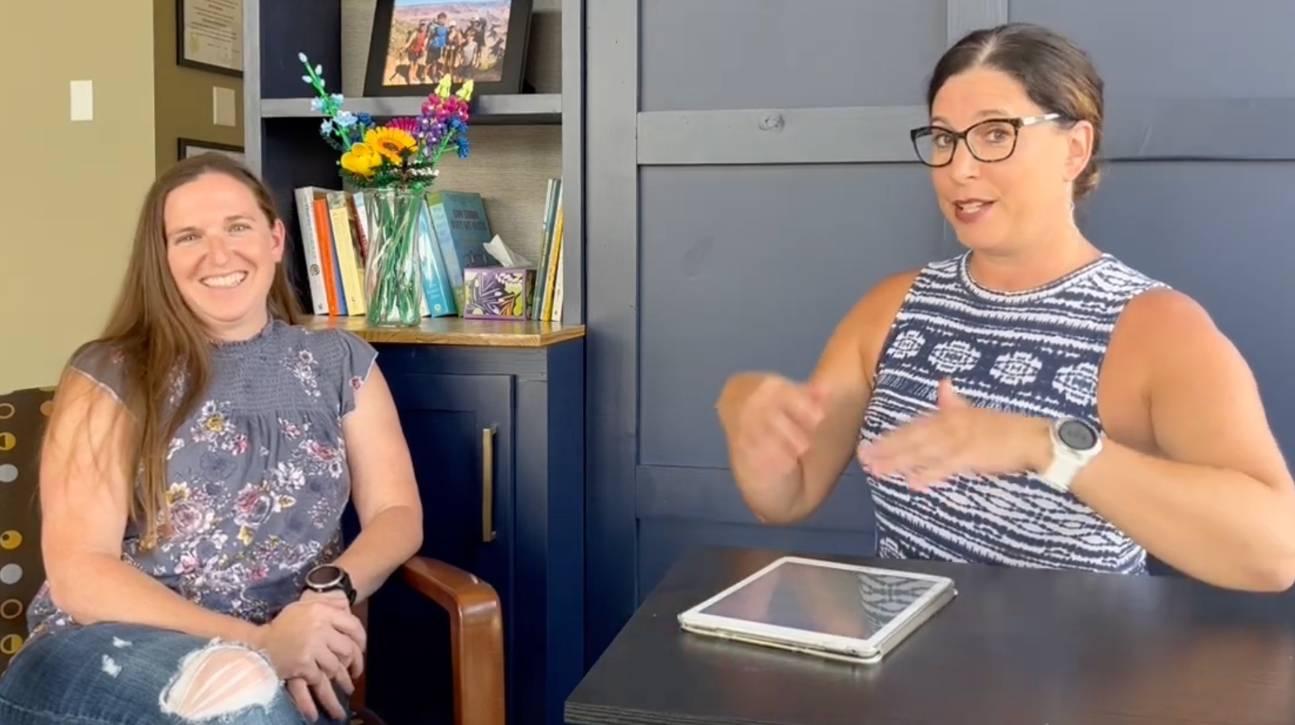
Natalie Johnston: I am so excited to have Annette with us today for our our interview and she is going to be presenting on how to move um through feeling stuck with your emotions particularly perhaps as we go through different life stages and we might just get into all sorts of things as we chat um so Annette I I have been um really blessed to have known Annette for several years and she she comes to her role currently with a wealth of experience and just a really unique p uh perspective with what she does now so um I won’t seal her Thunder I’m going to let her kind of tell us a little bit more about what she does now and where she’s come from if that’s okay
Annette Maier: sounds good I’m going to reverse it I’m going to go with where I came from and what I do now so I uh originally got my degree in elementary education um with an emphasis in early childhood special education and read meeting and then I spent uh 10 years as a teacher um and then transitioned into into an administrative role and was a principal for 5 years and during that 15 years just saw a lot of changes in kids changes in families and noticed a need especially as a principal for mental health supports um so we worked a lot on getting that into the school system um at the school that I was at at the time um and just continued to see that need out there and got very interested in mental health um seeing it impact kids seeing it impact parents seeing it impact community and even the teachers on my staff and myself so decided after a lot of thoughtful prayer and consideration to shift to the mental health side so I got a master’s degree in clinical mental health counseling um and started an internship with journey counseling services in 2022 um finished that in early 2023 and have been licensed since 2023 as a clinical mental health counselor
Natalie Johnston: awesome amazing so you came from teacher to principal to um integrating a little bit of of well Mental Health Plus maybe some trauma kind of in with the teacher realm as a principal um which led you with into that more of that mental health category yeah so um let let’s shift gears for a moment to kind of the topic of what we’ll we’ll chat about today um I think feeling stuck with your emotions is something that we can all relate to regardless of our age um kids teens adults um let’s just first say what we mean by feeling stuck with emotions because I think that makes sense to you and I but um what are a couple examples perhaps of of what you see day to day that would exemplify stuck with your emotions
Annette Maier: uh being stuck with our emotions it it is complicated and it looks really different for everybody but kind of those excessive moments where we’ve we’ve had an emotion and maybe we felt like we’ve been there too long like this should be over why am I still here um we tend to kind of put time frames on emotions um or we want to rush through them and when we try to rush or either try to push them down then they just get stuck and we feel like we’re not moving anywhere so um that could happen over a long period of time especially if we’ve um kind of stuffed our emotions away or Tred to invalidate them for a long period of time um and eventually something happens that brings it up and we don’t know what to do with it and then we feel stuck or it could just be something that’s that’s lasted a really long period of time and you just don’t feel like you can make any more progress on it and you just feel stuck
Natalie Johnston: so how would how does that manifest like how would I know if I’m stuck with emotions um what are some things that might cue me into say oh i’ I’ve got some stuck emotions I need to work with somebody to help me move through these what are some of the things signs and symptoms that might give us that impression
Annette Maier: um it can start in a lot of different ways um simply even just noticing like I feel different I’m acting different um not enjoying normal day-to-day activities or even trying to get away from them like I don’t want to do that thing that I usually like to do those Hobbies those daily routines um even interacting or withdrawing from people you normally like to interact with can be signs that something isn’t quite right um being stuck too can also just be getting to a point of feeling numb about something like I’m trying to work through this thing but I just can’t get anywhere so now I’m just numb and I’m completely detaching from it like I I don’t want to go there I don’t want to deal with it um and and then we just move away from all forms of support completely
Natalie Johnston: do you think then that it can impact close relationships people around us too
Annette Maier: yes yeah sometimes it it it causes us to push away from people that we would normally draw closer to um or even just seek out other people to try and connect with to to just have a new connection um that doesn’t know what’s going on in our life um and even in other ways too can impact um Can impact our physical health as well so it can impact our eating habits or exercise habits um even can cause pain issues or stomach issues so we can also have physical symptoms that emotions are stuck and aren’t aren’t being expressed in the way that they need to
Natalie Johnston: yeah so that kind of leads me into the next question why does it even matter if we are stuck with our emotions right why do we want to do something about this if we notice that this is happening and I know as a chronic pain specialist um in the physical therapy realm um often times I’ll see this manifest long long term in those physical symptoms of a lot of stomach upset issues or um physical pain um the body doesn’t know what to do with these stuck emotions and it’s almost like then um we we start to see these play out in the form of disease or pain um not feeling like yourself things like that um how about in terms of addiction um I guess different different mental health representations of this longterm what could this look like
Annette Maier: sure so people always try to cope with something you know and that could be a healthy something or an unhealthy something so you mentioned addictions um some people turn to a substance as a form of coping so whether that’s alcohol drugs or even um food and even to the extent of exercise um people can COPE in a lot of different ways in any coping strategy good or bad even if it’s good it can become bad um so on the exercise realm people can over exercise because they’re just trying to get away or feel or get that emotion through their body so I’m going to throw everything I have into exercise or I’m going to just numb everything by eating food or the alcohol the drugs whatever it is so we can definitely use things that we think help us feel better as a coping strategy but they can definitely be overused or in some cases are just not healthy to begin with so when we don’t know what to do with an emotion or the feelings that are stuck in our body it is common for people to notice like wow I’m I’m doing these things that I don’t normally do or maybe I’m doing things to excess that I haven’t done in the past and it’s it’s a matter of getting curious about why is that happening
Natalie Johnston: okay that makes sense and you know it um this whole conversation makes me think a little bit in my own life there came a point where I started noticing my blood pressure was ring I started becoming much more hypervigilant jumpy um and in hindsight I don’t think I recognize that at the time but in hindsight then I realized there was a lot of stuck emotion that needed to be dealt with um and really that um that started Cal once I started dealing with that that improved My overall physical health um but then also those coping strategies whether it was OV exercising or um snacking on foods that didn’t need to snack on um just because I was trying to numb things and I think probably we’ve all tried we can all relate to some degree I um you know I feel like we all have some sort of addiction whether it’s to our phones or um whether it’s substance abuse or whatever that might be um and a lot of that relates to um to those stuck emotions and also how our neurotransmitters dopamine a lot of stuff internally the physiology that goes with that which is crazy um all pretty fascinating um so let’s say we have somebody who’s who’s feeling that how do they get to see you how do we make that transition from I’ve got some issues I need to deal with to I need to see a net at Journey Counseling Services
Annette Maier: um so you pick up a phone and you give us a call okay or send an email to our office um yeah it’s I I strongly encourage people um at any stage of the game they I think counseling is great at any point in your life um you don’t have to wait until you feel stuck um if there’s a lot of things going on in your life um mental health counseling is a great is a great thing to have both for a neutral place to just share what’s going on in your life but also to gain healthier coping strategies or even if your coping strategies are healthy just getting a wider range of them um I’ve noticed in my own life sometimes the coping strategies that worked before don’t work anymore or they just don’t fit my lifestyle anymore so having a wide range of coping strategies to go to is really really helpful so um yeah reaching out calling by phone or email um to our office staff and just expressing your interest you can also go on our website even just to look through um there’s multiple counselors at Journey um and we all just have different backgrounds and different Specialties that we um are interested in so I may not be the right counselor for you but we definitely have a wide range of people that could definitely meet everybody’s needs
Natalie Johnston: yeah I love how you said that because certainly sometimes I think um I run into people who um have been in counseling and they just can’t quite find that connection with their counselor and I think it’s important to say to give them people permission to maybe reach out to a different person and um one that you can find that connection with and um you know it doesn’t mean that the person you’re with is doing anything wrong um but maybe it’s just a better connection with another person so I love how you said that um the other thing you mentioned that jumped out at me was um you said one coping strategy you may have had no longer works so let’s tie that into different phases of our life or transitions of life a little bit um tell tell us more about that
Annette Maier: yes so as we all know life is ever changing and there’s always something happening um whether that’s literal life stages of you know high school going into college college going into adulthood and getting married and having kids and the kids going up in age and getting out of the house and becoming an empty nester those are all like big life transitions that we think of but there’s even small ones that are happening constantly all the time you know so getting laid off from a job getting a new job um even just your kids progressing each year in school um our family aging and changing um friendships are always changing you know people move away people move into life you um change churches there’s always something happening that’s a life transition and and with every one of those transitions there comes emotions with that um every transition has some element of loss within it um which is associated with grief and I think I’ve noticed a lot in the work I’ve done so far as a counselor um that those transitions hold a lot more power than we think they do because we don’t think of them as grief we don’t think of like oh yeah my friend moved away as grief because you’re still kind of connected with them more than like especially in the world of technology right we are still connected but we’re not seeing them and that relationship has changed and it looks different it’s okay to grieve that and have emotions around that but what happens is when we don’t really look at those with and acknowledge the emotions that they hold they kind of just pile up over time and then something happens that finally like gets us kind of to our breaking point where we’re like oh my gosh I’ve got all of this stored up what is happening and I have people come in a lot and they’re like I just there’s so many emotions I don’t know what’s happening and we start talking through their story and in they’re just listing all these different things and I’m like well that’s a lot of Life transition and it might be small stuff but it all adds up it all makes a difference and we have to be able to own those things as like yes there are things that happen Life Changes there’s always something going on but all of those things have emotions attached to them and that’s okay
Natalie Johnston: yeah that I mean that’s that’s powerful in our culture that we’re in does not you know we’re all so busy right so we don’t have that culture that necessarily says it’s okay to make space for that so that actually reminds me I did not grow up in the United States I grew up in a third world culture and one thing when you said grief I hadn’t made this connection before but um in in that culture if uh a relative or a friend or somebody um died or passed away they would actually have a ceremony of grief where they would whail and sing in their traditional um languages for up to 3 days as part of that tradition and that was a set tradition a grieving tradition and you know not that we need to wail and grieve for three days um during every life transition because you know it’ be hard to get things done um but I think that finding the space to just sit back with those emotions of transition if it’s not in that moment than giving yourself time cuz CU sometimes in the moment we can’t see it right
Annette Maier: right AB so maybe after that moment whenever we can find that time and that space to sit with those emotions maybe with a counselor you know that that’s powerful yes because oftentimes a lot of people again like I said don’t realize that I can have emotions attached to that like it’s okay um to have that grief with that I think of I taught kindergarten for seven years and and I think of like mamas dropping their kindergarten off to school and no matter if it’s the first one or the third one or the fourth one you know Mom is usually crying and I I would hear parents moms a lot like almost invalidating that and just saying like oh I shouldn’t be doing this this is my third one no mama you can cry that’s okay because that’s a that’s a big life transition you know and we kind of just even through those little statements try to make it not as big of a deal as what it is and it’s okay to have emotions like you said not everything needs to be 3 days of crying and morning but it’s okay to express that emotion um and have that kind of linger for a few days that’s okay but if we don’t give it the time it needs and the time it deserves it builds up it becomes a problem it becomes stuck
Natalie Johnston: yeah I think so many people can relate to what you just said I mean I’m thinking of my first child that I dropped off kindergarten and I was I was like I am not one of those moms who is going to cry I got this and then I dropped him off I dropped her off and well actually it happened with with all of them but dropped him off and then I got in the car and the tears started I was like no I’m strong and I got over it but you know fast forward quite a few years and we have two now that we sent to college that was a life transition that I was not prepared for as a mother and you know maybe some of you listening to this can relate too um and so I think just hearing you gives us permission to to pause and to say yes those had those came with some emotions let’s let them let’s let them out um in a healthy way I love it um okay so if you could tell the world one thing a piece of advice relating to your content area what would you say
Annette Maier: um I would say that whatever you’re dealing with and struggling with um you can come in and get counseling I think a lot of people think my problem isn’t big enough or there’s people with bigger problems than mine or more problems than mine if you are feeling like you need somebody to talk to or are just like unsure of next steps in Life or our feeling stuck like we talked about earlier you can reach out to a mental health counselor and um and just have somebody to be able to talk to I think it’s great for everybody but I I often hear people say like well I I wish I would have done this sooner like I should have done this sooner you can like there is there is no right or wrong reason to come to counseling um and so I I always want to get that message out to people is you don’t have to wait for a loss or for a big thing to happen if if there’s been a lot going on and you’re feeling overwhelmed or you’re feeling stuck reach out and talk to somebody
Natalie Johnston: so do we need a doctor’s referral for that or can we make that decision ourselves
Annette Maier: you can make that decision for yourself you have the power to make that decision no you do not um you do not need a doctor’s referral you do not need to be on a medication or have a diagnosis is you can come in with anything it’s completely okay
Natalie Johnston: awesome well thank you so much for taking the time to to share a little bit about what you do and your Rich background um all of your experiences and we look forward to hearing more from you
Annette Maier: sounds great